
Back pain affects roughly 80% of adults at some point in their lives, according to the National Institute of Neurological Disorders and Stroke — yet most people wait an average of six months before seeking specialized care, often allowing treatable conditions to progress into complex surgical cases. In northern New Jersey, where long commutes and desk jobs compound spinal stress, the window between early intervention and irreversible damage continues to narrow.
For residents experiencing persistent back or neck pain, recognizing when symptoms warrant evaluation by a spine surgeon can mean the difference between a minor procedure and major reconstruction. The challenge lies in distinguishing between common muscle strain and the warning signs of serious spinal conditions — herniated discs, spinal stenosis, or nerve compression that won’t resolve with rest and over-the-counter medication.
Understanding what spine surgeons look for during evaluation, how they determine treatment approaches, and what recovery involves helps patients make informed decisions about their care. The journey from symptom recognition through diagnosis and treatment follows specific patterns that, once understood, remove much of the uncertainty around spinal health decisions.
How to Recognize Signs That Need a Spine Surgeon
The most telling indicator that back pain requires surgical evaluation isn’t the pain itself — it’s nerve involvement. When spinal problems begin affecting the nerves that control leg or arm function, conservative treatments often fall short. This manifests as numbness, tingling, or weakness that radiates from the spine into the extremities, following specific nerve pathways.
Consider someone experiencing sharp pain that shoots from their lower back down through their buttock and into their leg, particularly when coughing or sneezing. This classic sciatica pattern suggests nerve root compression that may require surgical decompression if it doesn’t improve within six to eight weeks of conservative care. Similarly, neck pain accompanied by numbness in specific fingers indicates cervical nerve compression that could worsen without intervention.
Progressive weakness represents an even more urgent concern. When patients notice difficulty lifting their foot while walking, trouble gripping objects, or a dragging sensation in one leg, the underlying nerve compression may be advancing toward permanent damage. The spine houses the central nervous system’s main highway — once those nerve pathways sustain significant damage, surgical repair becomes exponentially more complex.
Bladder or bowel dysfunction alongside back pain constitutes a surgical emergency. This combination suggests cauda equina syndrome, where compressed nerves at the base of the spine threaten permanent loss of these critical functions. While rare, this condition requires immediate surgical decompression to prevent lifelong complications.
Red flag symptoms that warrant immediate spine surgeon consultation include severe pain following trauma, fever accompanying back pain, progressive neurological deficits, and pain that consistently worsens despite appropriate conservative treatment. The key distinction lies between mechanical back pain that improves with rest and neurological symptoms that indicate structural problems requiring surgical expertise.
How Spine Surgeons Diagnose and Plan Treatment
Modern spine surgery begins with advanced imaging that reveals what clinical examination suggests. While primary care physicians rely heavily on X-rays and basic MRI scans, spine surgeons utilize specialized protocols that highlight nerve compression, spinal instability, and soft tissue damage invisible to standard imaging. Dynamic imaging — scans taken while patients move through specific positions — reveals how spinal structures behave under stress, informing surgical planning.
The diagnostic process typically progresses through several phases. Initial consultation focuses on symptom patterns, functional limitations, and response to previous treatments. Spine surgeons look for specific correlations between imaging findings and clinical symptoms — not all disc herniations cause pain, and not all pain requires surgery. This distinction forms the foundation of treatment decisions.
When conservative treatments like physical therapy, medications, and injections fail to provide adequate relief after appropriate trial periods, surgical options enter consideration. However, the decision process extends beyond symptom severity to include patient factors like age, activity level, bone quality, and surgical risk tolerance.
Differences Between Surgical and Non-Surgical Treatments
Non-surgical spine care focuses on reducing inflammation, improving mobility, and strengthening supporting muscles. Physical therapy addresses movement patterns that contribute to spinal stress, while epidural injections deliver anti-inflammatory medication directly to affected nerve roots. These approaches work well for many conditions but have limitations when structural problems require mechanical correction.
Surgical intervention becomes necessary when structural damage prevents normal function. A herniated disc compressing a nerve root requires physical removal of the protruding disc material. Spinal stenosis — narrowing of the spinal canal — often needs surgical widening to relieve pressure on neural structures. Spinal instability may require fusion to prevent progressive deformity.
The key distinction lies in addressing symptoms versus correcting underlying structural problems. Medications and therapy manage pain and inflammation but cannot repair torn discs, decompress pinched nerves, or stabilize unstable spinal segments. When structural correction is necessary, surgery becomes the only viable option for long-term relief.
The Role of the Spine Surgeon in Patient Care
Spine surgeons serve as both diagnosticians and treatment coordinators, guiding patients through complex decisions while managing multidisciplinary care teams. Their role extends beyond surgical technique to include risk assessment, alternative treatment evaluation, and long-term outcome planning. This comprehensive approach ensures that surgery occurs only when it offers the best chance of meaningful improvement.
The surgical planning process involves detailed discussions about realistic expectations, potential complications, and recovery timelines. Spine surgeons explain how specific procedures address individual pathology, why certain techniques are chosen over alternatives, and what patients can expect during different phases of healing. This educational component helps patients make informed decisions about their care.
Postoperative care coordination represents another critical aspect of the spine surgeon’s role. Recovery involves orthotic management, physical therapy progression, activity modification, and monitoring for complications. Successful outcomes depend on seamless communication between the surgical team, rehabilitation specialists, and primary care providers throughout the healing process.
Common Spinal Conditions and Surgeries in Paramus
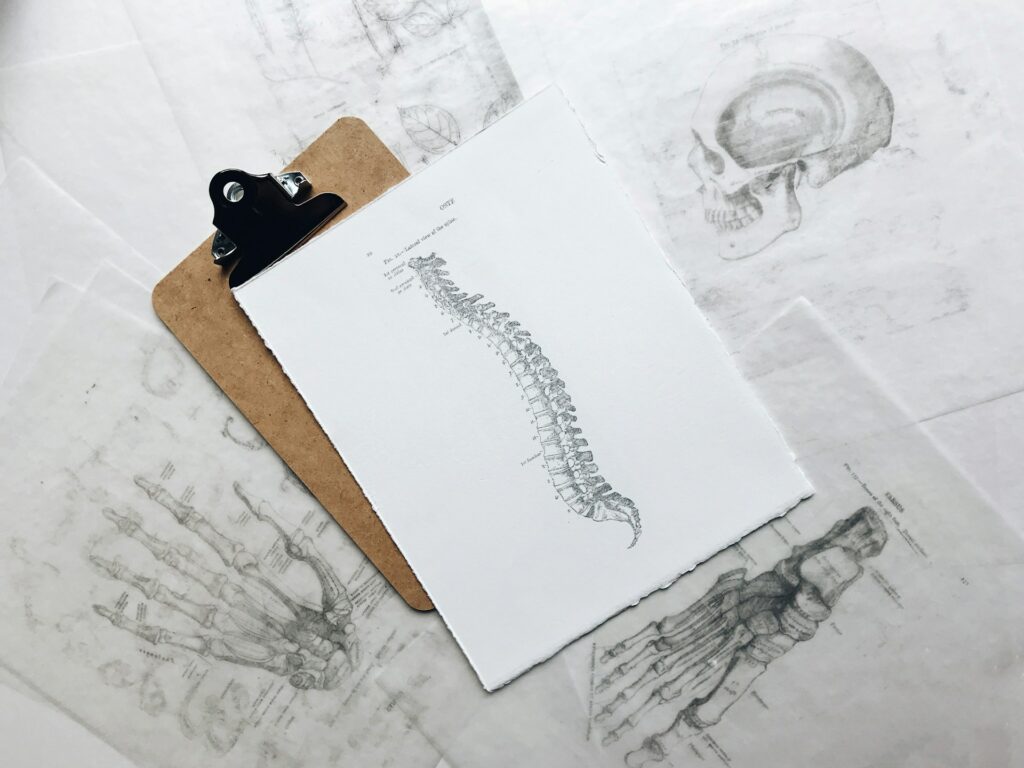
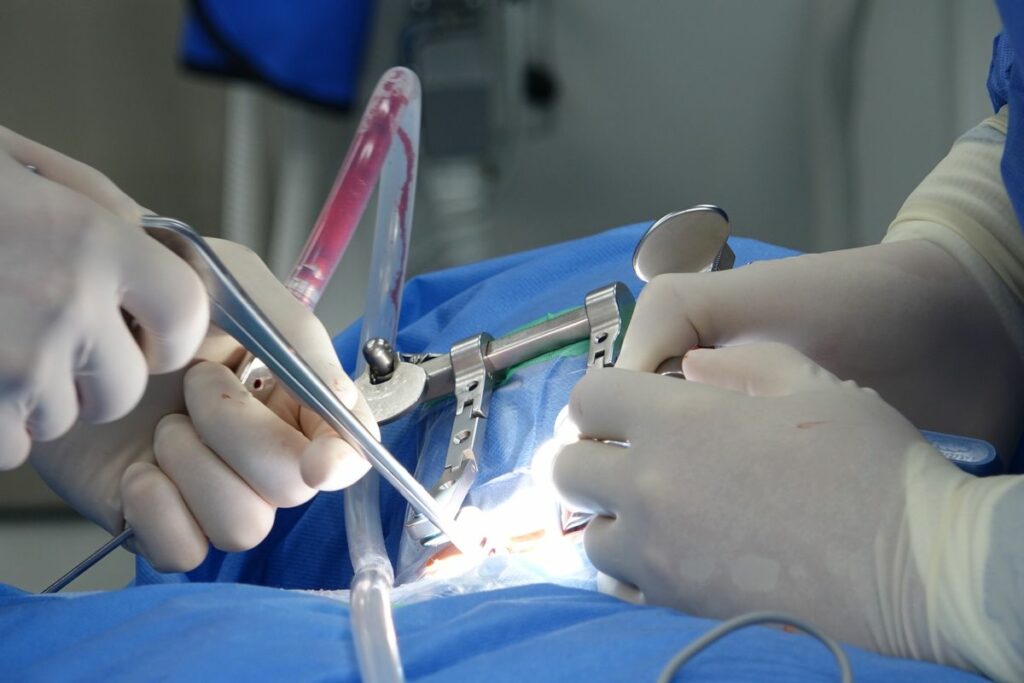
Lumbar disc herniation remains the most frequently treated condition in spine surgery practices. When the soft inner core of a spinal disc pushes through its outer shell, it often compresses nearby nerve roots, causing the radiating leg pain known as sciatica. Surgical treatment typically involves microdiscectomy — a minimally invasive procedure where surgeons remove the herniated disc fragment through a small incision, preserving most of the healthy disc structure.
Spinal stenosis affects an older patient population, typically those over 50 whose spinal canals have narrowed due to arthritis, thickened ligaments, and bone spurs. The condition creates a characteristic pattern of leg pain and weakness that worsens with walking and improves with rest or forward bending. Surgical decompression involves removing the structures causing nerve compression, often combined with fusion procedures when spinal stability is compromised.
Cervical spine conditions present unique challenges due to the proximity of critical neural structures. Cervical disc herniation can cause both neck pain and arm symptoms, while cervical stenosis may affect hand function and walking balance. Surgical approaches include anterior cervical discectomy and fusion (ACDF) for disc problems and posterior decompression procedures for multi-level stenosis.
Minimally invasive techniques have revolutionized spine surgery over the past decade. These approaches use specialized instruments and advanced imaging to perform complex procedures through smaller incisions, reducing muscle damage and accelerating recovery. Procedures like endoscopic discectomy and lateral interbody fusion allow surgeons to address significant spinal pathology while preserving normal anatomy. Patients interested in learning more about available treatment options and specialized spine care in the area can visit https://neurospineplus.com/locations/paramus/. For many patients seeking care in Paramus, these advanced techniques offer improved outcomes with reduced surgical trauma.
Spinal fusion surgery addresses instability and deformity by permanently joining two or more vertebrae. Modern fusion techniques utilize bone grafts, synthetic materials, and specialized hardware to create solid bony connections while maintaining proper spinal alignment. The procedure is often necessary for conditions like spondylolisthesis, severe disc degeneration, and spinal deformity correction.
What to Expect After Spine Surgery and Possible Risks
Immediate postoperative recovery focuses on pain management, wound healing, and gradual mobility restoration. Most patients experience significant relief of their pre-surgical nerve pain within days, though some numbness and weakness may persist while compressed nerves heal. The recovery timeline varies by procedure type — minimally invasive discectomy patients often return to desk work within two weeks, while fusion surgery requires months of healing before the bone graft solidifies.
Physical therapy plays a crucial role in optimizing surgical outcomes. The rehabilitation process typically begins with basic mobility exercises and progresses through strengthening, endurance training, and functional movement patterns. Compliance with therapy protocols significantly influences long-term success, as surgical correction must be supported by improved movement mechanics and core stability.
Surgical complications, while relatively uncommon in experienced hands, require honest discussion during the planning process. Infection rates for spinal procedures remain below 2% in most series, but deep infections can require additional surgery and prolonged antibiotic treatment. Nerve injury represents a more serious concern, potentially causing permanent weakness or numbness, though meticulous surgical technique and advanced monitoring systems minimize this risk.
Blood clots and respiratory complications affect primarily older patients and those with significant medical comorbidities. Modern prophylactic measures, including early mobilization and anticoagulation protocols, have substantially reduced these risks. Adjacent segment disease — accelerated degeneration of levels above or below a fusion — occurs in roughly 10-15% of patients over 10 years but doesn’t always require treatment.
Failed back surgery syndrome affects patients whose symptoms persist or worsen despite technically successful procedures. This complex condition often results from incomplete nerve decompression, scar tissue formation, or unrecognized pathology. Prevention involves careful patient selection, thorough preoperative evaluation, and realistic expectation setting. When initial surgery doesn’t provide expected relief, revision procedures may be necessary, though outcomes become increasingly unpredictable with each subsequent operation.
The key to successful spine surgery lies in accurate diagnosis, appropriate procedure selection, and commitment to the rehabilitation process. Patients who understand their condition, maintain realistic expectations, and actively participate in their recovery achieve the best long-term outcomes. For those facing spinal surgery decisions, choosing experienced surgeons who prioritize education and comprehensive care creates the foundation for optimal results.