
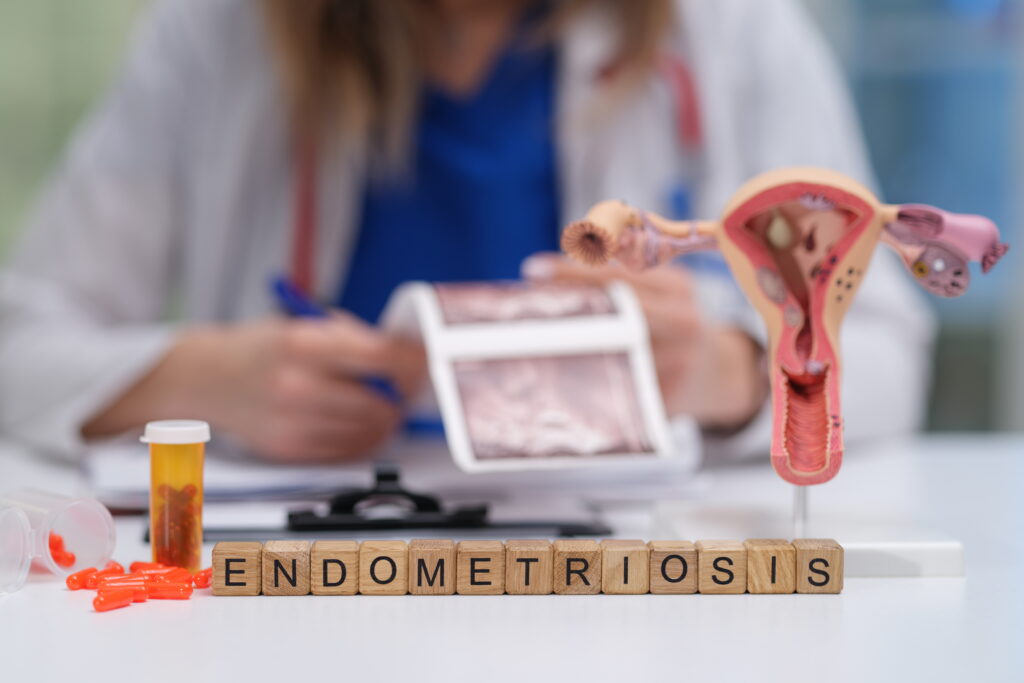
If you’re preparing for endometriosis surgery in New Jersey, you likely have a lot on your mind—from understanding the procedure to managing recovery. Knowing what steps to take before surgery and how to care for yourself afterward can make a significant difference in your experience. It’s important to be informed about what your healthcare team will do and what you’ll need to do, both physically and emotionally, to support healing. Here’s what you should consider as you move forward.
Understanding Endometriosis and Its Surgical Options
Although endometriosis can be a challenging condition to manage, understanding your surgery options for endometriosis can empower you to make informed decisions about your care. Endometriosis symptoms vary but often include pelvic pain, heavy periods, and infertility. When conservative treatments aren’t effective, surgery may be recommended to remove or destroy endometrial tissue. It’s important to discuss the potential surgical risks with your healthcare provider, such as infection, bleeding, or damage to surrounding organs. Minimally invasive techniques like laparoscopy are commonly used, offering quicker recovery and less scarring. By gaining a clear understanding of what surgery entails and the possible outcomes, you can approach your treatment plan with confidence and guarantee your choices align with your health goals and lifestyle needs.
Preparing for Your Pre-Surgery Consultation
Before your pre-surgery consultation, make sure you gather your complete medical history to provide your doctor with accurate information. You’ll also want to discuss the available surgical options and how they fit your specific case. Setting realistic expectations together can help you feel more confident and prepared for the journey ahead.
Gathering Medical History
When you meet with your surgeon, having a detailed medical history ready can make all the difference in planning your endometriosis surgery effectively. Providing thorough information helps your healthcare team understand your unique situation and tailor your care accordingly. Be sure to gather:
- Medical conditions and family history – Include any chronic illnesses, previous surgeries, and familial patterns related to reproductive health.
- Medication list and lifestyle factors – Document current medications, supplements, and habits that might affect surgery or recovery.
- Symptom diary and diagnostic tests – Bring records of your pain patterns, menstrual cycle details, and results from imaging or biopsies.
This preparation guarantees your surgeon has a clear picture, improving surgical outcomes and supporting your wellbeing throughout the process.
Discussing Surgical Options
Since every case of endometriosis is unique, discussing your surgical options thoroughly with your healthcare provider is essential to choosing the approach that best fits your condition and lifestyle. During your pre-surgery consultation, your doctor will explain various surgical techniques available, such as laparoscopy or laparotomy, highlighting the benefits and risks of each. You’ll also explore treatment options alongside surgery, including medication or hormone therapy, to understand how these might complement or reduce the need for surgery. Don’t hesitate to ask questions about recovery times, potential complications, and how surgery may impact your symptoms long-term. Being well-informed will help you feel more confident and prepared as you decide the best path forward in managing your endometriosis effectively.
Setting Realistic Expectations
Although preparing for your pre-surgery consultation can feel overwhelming, setting realistic expectations is essential to making informed decisions about your endometriosis treatment. Understanding what surgery can and cannot achieve helps reduce anxiety and prepares you emotionally. Here are three key points to focus on during your consultation:
- Clarify the goals of surgery, including symptom relief and potential limitations.
- Discuss the recovery timeline and what activities you may need to modify.
- Identify the emotional support available, such as counseling or support groups.
Essential Medical Tests Before Surgery
Before undergoing endometriosis surgery, you’ll need to complete several essential medical tests to verify your safety and optimize surgical outcomes. Your healthcare team will typically order blood tests to check for anemia, infection, and to assess your overall health. These tests help confirm your body is ready for surgery and anesthesia. Imaging studies, such as ultrasound or MRI, are also vital. They provide detailed views of the extent and location of endometrial tissue, assisting your surgeon in planning the procedure more accurately. Depending on your individual case, additional tests may be recommended. These evaluations are designed to minimize risks and tailor your treatment effectively, so it’s important to follow your provider’s instructions closely and ask questions if anything feels unclear.
How to Plan for Your Surgery Day
As your surgery day approaches, it’s important to follow specific preoperative steps to guarantee everything goes smoothly. You’ll also want to create a clear plan for your recovery, including rest and support at home. Being prepared can help reduce stress and promote a smoother healing process.
Preoperative Preparation Steps
Since your surgery day is a crucial step in managing endometriosis, careful preparation can help ease anxiety and guarantee everything runs smoothly. Surgery preparation involves both practical and emotional readiness to make sure you feel confident and supported.
- Follow Preoperative Instructions: Adhere strictly to fasting guidelines, medication adjustments, and hygiene protocols provided by your healthcare team.
- Arrange Logistics: Plan your transportation to and from the hospital, and organize help at home during your initial recovery period.
- Emotional Readiness: Address any fears or concerns by discussing them with your doctor or a counselor. Practicing relaxation techniques can also ease pre-surgery stress.
Post-Surgery Recovery Plan
Once you’ve prepared for surgery day, it’s important to have a clear recovery plan in place to support your healing process. Prioritize nutritional support by planning balanced meals rich in protein, vitamins, and minerals to promote tissue repair and boost your immune system. Hydration is equally essential. Alongside physical care, focus on your emotional well being—consider arranging support from family or friends, and allow yourself time to rest and process your experience. Set realistic expectations for activity levels, gradually increasing movement as advised by your healthcare provider. Keep all follow-up appointments and communicate any concerns promptly. By combining thoughtful nutritional care with attention to your emotional health, you’ll create a supportive environment that enhances your recovery after endometriosis surgery in New Jersey.
What Happens During Endometriosis Surgery
Although the thought of surgery can feel overwhelming, understanding what happens during endometriosis surgery can help alleviate your concerns. Your surgeon will use specific surgery techniques tailored to your condition, often opting for minimally invasive laparoscopy to reduce recovery time. Anesthesia options are carefully chosen to keep you comfortable and pain-free throughout the procedure.
Here’s what typically happens during surgery:
- Anesthesia administration: You’ll receive general anesthesia to guarantee you’re fully unconscious and pain-free.
- Surgical procedure: The surgeon locates and removes endometrial tissue using precise instruments.
- Closure and recovery start: Small incisions are closed, and you’ll be moved to recovery for monitoring.
Knowing these steps can help you feel more prepared and confident going into surgery.
Managing Pain and Discomfort Post-Surgery
While recovering from endometriosis surgery, managing pain and discomfort is an essential part of your healing process. You’ll likely be introduced to various pain relief techniques, including prescribed medication options tailored to your needs. It’s important to follow your doctor’s instructions carefully and communicate any persistent pain. Alongside medication, physical therapy can play a significant role in easing discomfort and improving mobility as you heal. Emotional support is equally important; consider connecting with support groups or counseling to help manage the emotional challenges that often accompany recovery. Remember, pain management is not just about medication—it’s a holistic approach combining physical and emotional care. By addressing both, you’ll enhance your comfort and promote a smoother recovery journey.
Typical Recovery Timeline After Surgery
Right after surgery, you’ll need focused care to support healing and manage pain effectively. Over the following days and weeks, your symptoms should gradually improve as you carefully resume daily activities. Understanding what to expect during this recovery timeline can help you feel more prepared and in control.
Immediate Post-Surgery Care
Since endometriosis surgery involves delicate tissue removal, your body will need time to heal carefully in the immediate days following the procedure. Proper wound care and medication management are essential to support recovery and prevent complications. Here’s what you can expect during this critical phase:
- Monitor your surgical site closely, keeping it clean and dry to promote healing and reduce infection risk.
- Follow your medication schedule precisely, including antibiotics or pain relief prescribed by your doctor.
- Limit physical activity and avoid heavy lifting to prevent strain on your incision and internal tissues.
Sticking to these guidelines helps your body start the healing process smoothly. If you notice unusual symptoms like excessive redness or fever, contact your healthcare provider promptly. Your attentive care now sets the foundation for a successful recovery.
Pain and Symptom Management
As you focus on wound care and medication in the days following surgery, managing pain and other symptoms becomes an important part of your recovery journey. You’ll likely experience varying levels of discomfort, so it’s essential to use prescribed pain relief options as directed to maintain comfort and prevent setbacks. Keeping a detailed symptom tracking journal can help you and your healthcare provider monitor your progress and adjust treatments accordingly. Pain and other symptoms typically improve gradually over several weeks, but some fluctuations are normal. If you notice persistent or worsening pain, or new symptoms, contact your doctor promptly. By actively managing your pain and tracking symptoms, you’ll support a smoother recovery and better long-term outcomes after endometriosis surgery in New Jersey.
Resuming Daily Activities
Although everyone’s recovery from endometriosis surgery varies, you can generally expect to gradually resume your daily activities over the course of several weeks. Returning activities should be paced to avoid setbacks, and lifestyle adjustments may be necessary to support healing and comfort.
Here’s a typical recovery timeline to guide you:
- Week 1-2: Focus on rest and gentle movements; avoid heavy lifting or strenuous exercise.
- Week 3-4: You can slowly reintroduce light activities such as walking and basic household tasks.
- Week 5 and beyond: Most people feel ready to resume normal routines, including work and moderate exercise, but listen to your body and consult your doctor before full activity resumption.
Important Post-Operative Care Instructions
While recovering from endometriosis surgery, careful attention to post-operative care is essential to promote healing and prevent complications. You’ll need to follow specific wound care instructions to keep the surgical site clean and dry, reducing the risk of infection. Gently clean the area as advised, avoid soaking, and watch for any signs of redness or discharge. Additionally, making diet adjustments can support your recovery. Focus on nutrient-rich foods that reduce inflammation and promote tissue repair, such as fruits, vegetables, lean proteins, and plenty of water. Avoid heavy, processed, or gas-producing foods that might cause discomfort. Following these guidelines closely will help you heal comfortably and get back to your daily routine more smoothly. Remember, your healthcare team is there to guide you every step of the way.
When to Contact Your Doctor After Surgery
If you notice any unexpected symptoms or changes after your endometriosis surgery, it’s important to reach out to your doctor promptly. Monitoring your post surgery symptoms helps guarantee your recovery is on track and prevents complications. Be especially alert for emergency signs that require immediate attention. Contact your doctor if you experience:
- Severe pain not relieved by prescribed medication or sudden worsening of pain.
- High fever, chills, or signs of infection around the incision site, such as redness, swelling, or discharge.
- Heavy bleeding, difficulty urinating, or shortness of breath.
Prompt communication with your healthcare provider can address concerns early, supporting a safer, smoother recovery. Don’t hesitate to call if you feel unsure about any symptom after surgery.
Long-Term Outlook and Follow-Up Appointments
Keeping a close eye on your recovery and maintaining communication with your doctor after surgery sets the foundation for long-term healing. Your follow-up care will involve scheduled appointments to monitor how well you’re healing and to address any concerns about symptoms or complications. These visits are essential in evaluating the long term effects of the surgery, including pain relief and potential recurrence of endometriosis. You might need imaging or lab tests during follow-up care to verify everything is progressing as expected. Remember, the goal is to support your ongoing health and adjust your treatment plan if needed. Staying proactive with these appointments helps you manage your condition effectively and improves your quality of life over time.
Frequently Asked Questions
Can Endometriosis Surgery Affect Fertility in the Long Term?
Yes, endometriosis surgery can improve fertility by removing lesions, offering surgery benefits like pain relief and fertility preservation. However, outcomes vary, so discussing personalized risks and expectations with your specialist is important for informed decisions.
What Are the Risks of Endometriosis Surgery in Older Women?
You might face increased surgical complications like infection or slower healing, and your recovery timeline could be longer. It’s important to discuss these risks with your doctor to guarantee the best care tailored to your needs.
Are There Alternative Therapies to Surgery for Severe Endometriosis?
Yes, you can explore alternative therapies like acupuncture therapy and herbal remedies for severe endometriosis. These options may help manage symptoms, but it’s important to consult your healthcare provider to guarantee safe, effective treatment tailored to you.
How Does Endometriosis Surgery Impact Mental Health Recovery?
Endometriosis surgery can improve your mental health by reducing pain, but recovery may bring emotional challenges. It’s essential you seek emotional support to navigate these feelings and foster mental health throughout your healing journey.
Will I Need Hormone Therapy After Endometriosis Surgery?
You might need hormone therapy after surgery to help manage symptoms and support surgical recovery, but it depends on your specific condition. Your doctor will guide you on the best approach tailored to your needs.